Everyone has made a bad fritter. They come out of the pan pale and floppy, or they drink the oil and turn greasy, or they collapse the moment the spatula goes underneath. Then you eat them anyway, quietly disappointed.
None of that is bad luck. Fritters fail for three specific and fixable reasons, and once you know them this becomes one of the easiest things you can put on a plate for brunch.
Why most fritters go wrong
Too much water. Grated vegetables hold an enormous amount of liquid. Left in, that water turns to steam in the pan and steams the fritter from the inside instead of frying it. Beetroot is friendlier than zucchini here, which is part of why this recipe works, but if you swap in zucchini you must salt it and wring it out first.
Too much batter. Flour is structure, not filler. A wet, heavy batter gives you a pancake with vegetables in it. You want just enough to bind, so the vegetables stay the point.
The pan is not hot enough. A cool pan lets oil soak in before a crust forms. That is where greasiness comes from. Medium heat with the oil shimmering, and do not crowd the pan, because four cold fritters dropped in at once will pull the temperature straight down.
Get those three right and the rest is assembly.
Where the Kunzea comes in
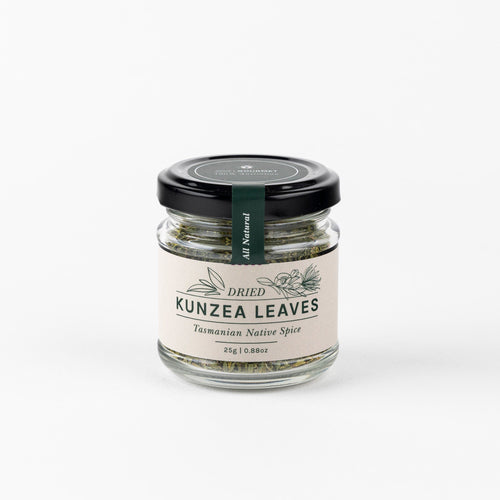
A teaspoon of crushed Dried Kunzea Leaf goes into the dry mix. Kunzea grows wild along the Tasmanian coast, and dried it carries a eucalyptus and citrus aroma with a honeyed edge. Against earthy beetroot and sweet corn it stops the whole thing tasting flat, which is the usual problem with a vegetable fritter.
Crush it between your fingers or in a mortar and pestle before it goes in. The leaf is fine and needle-like, closer to dried thyme than a bay leaf, and crushing releases the aromatics so they spread through the batter instead of sitting in one bite.

Beetroot and Kunzea fritters
Makes about 12 fritters, serves 4
Prep 20 minutes
Cook 20 minutes
For the fritters
- ¼ cup (35g) plain flour
- ¼ cup (35g) cornflour
- 1 teaspoon Dried Kunzea Leaf, finely crushed
- ¼ teaspoon bicarbonate of soda
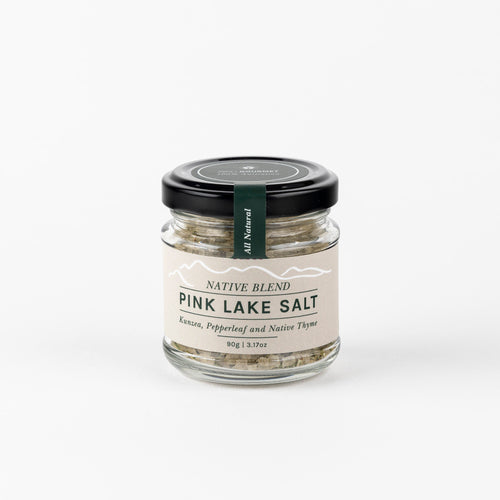
- A pinch of Native Blend Pink Lake Salt
- 1 egg
- 2 tablespoons milk
- 1 cup corn kernels
- 1 cup grated raw beetroot
- ½ cup finely grated parmesan
- ¾ cup sliced spring onions
- ½ cup shredded wakame seaweed (optional)
- ¼ cup fresh mint or parsley, roughly chopped
- Vegetable oil, for frying
For the Wattleseed creme fraiche
- 100g creme fraiche
- ¼ teaspoon Wattleseed
- ¼ teaspoon finely grated lemon rind
Method
- Make the topping first so it has time to sit. Stir the Wattleseed and lemon rind through the creme fraiche, cover, and refrigerate. Wattleseed is roasty and nutty, a little like coffee and hazelnut, and it needs half an hour to bloom into the cream.
- Whisk the plain flour, cornflour, crushed Kunzea Leaf, bicarbonate of soda and salt together in a small bowl.
- In a large bowl, beat the egg with the milk.
- Add the corn, grated beetroot, parmesan, spring onion, wakame if using, and herbs to the egg. Stir to combine.
- Scatter the dry mix over the top and fold it through until there are no dry pockets. You are after a batter that just holds together when you scoop it, firm rather than pourable. If it is stiff enough to stand a spoon in, add a splash more milk.
- Heat a thin layer of oil in a large frying pan over medium heat until it shimmers. Drop in ¼-cup portions and flatten each one gently with the back of the spoon.
- Cook 3 to 4 minutes on the first side, until the underside is crisp and deeply coloured and the edges look lacy. Resist moving them early. Flip and give the second side another 3 to 4 minutes.
- Work in batches, keeping the cooked ones on a wire rack rather than a plate so the bases stay crisp. Serve warm with a generous spoonful of the Wattleseed creme fraiche.

Turning it into a meal
- For brunch, stack two or three and put a fried egg on top. The yolk does much the same job as the cream, so you need less of it. A pot of Kunzea Relief Tea alongside makes it a proper slow-morning spread.
- For lunch, serve them alongside a sharp green salad dressed with lemon, which cuts the richness of the parmesan.
- For a grazing board, make them half size and hand them around warm with the creme fraiche as a dip.
Swaps and getting ahead
- Treat the vegetables as a guide. Grated carrot, zucchini squeezed dry, or leftover roast pumpkin all work, as long as the total volume stays about the same so the batter still binds.
- No creme fraiche? Thick sour cream is the closest thing. Greek yoghurt works but is sharper, so go easier on the lemon rind.
- Wattleseed is worth seeking out from a bushfood or native ingredient supplier. If you cannot find it, a pinch of finely ground coffee gets you surprisingly close.
- The batter is best made and cooked straight away, but the creme fraiche can be made a day ahead and doubles as a dip.
Storage
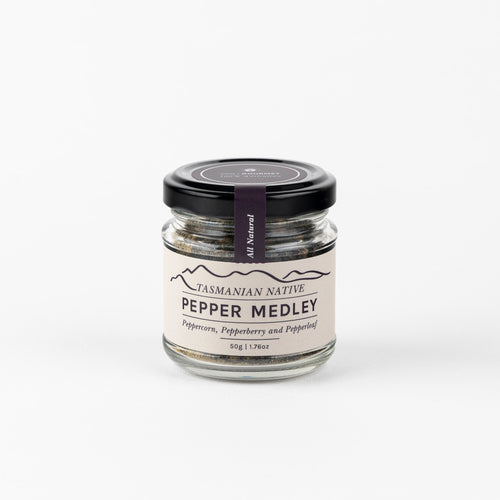
Cooked fritters keep in an airtight container in the fridge for 2 days. Re-crisp them in a dry frying pan over medium heat rather than the microwave, which makes them soft, then season with a fresh pinch of Pink Lake Salt and freshly ground Tasmanian Native Pepper Medley before serving. The Wattleseed creme fraiche keeps covered for 3 days.
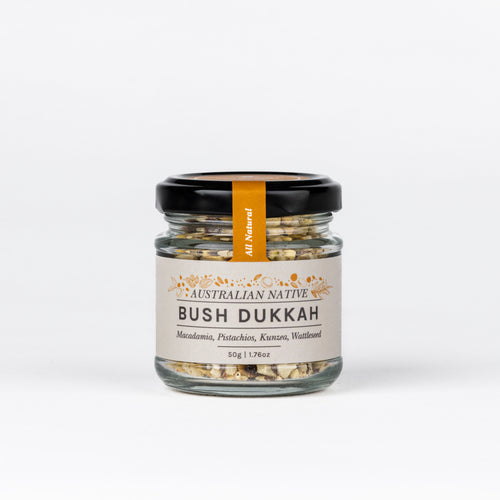
A jar of Dried Kunzea Leaf goes a long way at a teaspoon per batch, and a pinch of Native Blend Pink Lake Salt at the table is the finishing touch. If you would like another savoury way to use native spice, our Dukkah marinated spring veggies work on the same principle: let one good native blend do the seasoning.

![Manuka Raw Honey [MGO 100+] - High Activity](http://www.zeaaustralia.nz/cdn/shop/files/ZG-Manuka_100MGO_Honey-250g_Neutral-1x1_7f9245eb-295c-4905-a45c-d9dd0c8b17b3.jpg?v=1776732039&width=500)